
Managing remote teams can be a challenge for even the most experienced managers, but it can be even more challenging for digital nomads who are constantly on the move. A digital nomad is someone who works from anywhere in the world, often traveling from place to place, and is connected to their work through technology. As a digital nomad, managing remote teams requires a unique set of skills and strategies, but with the right approach, it can be a rewarding and fulfilling experience.
Here are some tips on how to manage remote teams as a digital nomad:
Establish clear communication and expectations
One of the most important things you can do as a digital nomad manager is to establish clear communication and expectations with your team. This includes regular check-ins, project updates, and deadlines. Be sure to set aside time each day or week to check in with your team and provide updates on projects.
In addition to setting regular check-ins and project updates, it’s also important to establish clear expectations for communication with your team. This includes how often you will be available, the best ways to reach you, and what response times to expect. By establishing clear communication expectations, you can ensure that your team knows how to reach you and what to expect from you, even while you are on the move. Additionally, you may also want to consider setting up regular virtual meetings to provide updates, answer questions, and discuss projects.
Use technology to stay connected
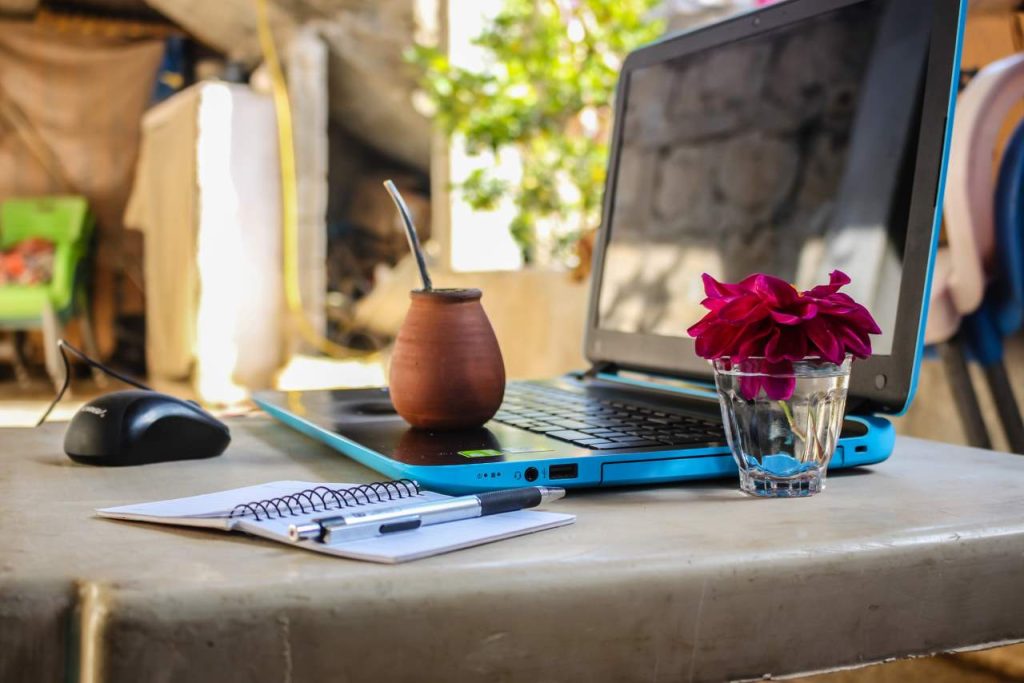 Technology is your best friend as a digital nomad manager. There are a variety of tools and apps available to help you stay connected with your team, no matter where you are in the world. Some of the most popular tools for remote teams include Slack, Asana, and Google Drive. These tools allow you to easily communicate with your team, track project progress, and share files and documents.
It’s important to choose the right technology tools to help you stay connected with your team. In addition to communication tools such as Slack or Asana, consider using project management tools like Trello or Jira to help you keep track of tasks and deadlines. Additionally, consider using time tracking tools like Toggl or Harvest to keep track of the time you and your team are spending on projects. By using the right technology tools, you can ensure that you and your team stay connected and on track, even when you’re on the move.
Foster a sense of community
Remote teams can often feel isolated, especially for digital nomads who are constantly on the move. To counteract this, it’s important to foster a sense of community among your team. This can be done through regular team building activities, virtual happy hours, and other opportunities for team members to connect and get to know one another.
You may also want to consider hosting virtual events, such as book clubs or game nights, to help build a sense of community among your team. This can help create a stronger connection between team members and help foster a sense of belonging, even when they are working remotely. Additionally, consider creating a virtual space, such as a private Facebook group, where team members can connect and share their experiences as digital nomads.
Encourage self-motivation and responsibility
 Remote teams often rely heavily on self-motivation and responsibility. As a digital nomad manager, it’s important to encourage these qualities in your team members. Provide regular feedback and recognition for a job well done, and be available to answer questions and provide guidance when needed.
Set clear goals and expectations for your team. This can help them stay motivated and focused on their work, even when they are working remotely. Additionally, consider providing resources and training to help them build the skills they need to be successful in their roles. By encouraging self-motivation and responsibility, you can help build a strong and independent team, even while you are on the move.
Be flexible and adaptable
Flexibility and adaptability are key qualities for any digital nomad, and they are especially important for managing remote teams. With your team spread out across different time zones and locations, you may need to adjust your schedule or be available at different times of day to accommodate their needs. Additionally, you may need to be able to quickly adapt to new technology or tools as they become available.
Be flexible in your approach to managing your team. This means being willing to try new methods and approaches, and being open to feedback from your team. Additionally, consider being flexible in your approach to work, such as being willing to work odd hours or from different locations, to accommodate the needs of your team. By being flexible and adaptable, you can ensure that your team is able to succeed, even when you are on the move.
Trust your team
 One of the biggest challenges of managing remote teams is trust. As a digital nomad manager, it’s important to trust your team to do the work they were hired to do, even when you’re not physically present. This means delegating tasks and responsibilities and being willing to let your team take the lead on certain projects.
On top of delegating tasks and responsibilities, it’s also important to give your team the space and freedom they need to do their best work. This means not micromanaging their work, and being willing to let them make mistakes and learn from them. Additionally, consider providing your team with the resources they need to succeed, such as access to training, software, or equipment. By trusting your team, you can build a strong and independent team that is capable of delivering great results, even while you are on the move.
Be present and attentive
Even though you’re a digital nomad, it’s important to be present and attentive when working with your team. This means being available to answer questions, provide feedback, and address any concerns that may arise. It also means taking the time to get to know your team members and understand their unique strengths and weaknesses.
In addition to being available to answer questions and provide feedback, it’s also important to be present and attentive in your virtual interactions with your team. This means being fully present and focused during virtual meetings, and taking the time to understand the perspectives and needs of your team members. Additionally, consider being proactive in seeking out opportunities to connect with your team, such as through regular virtual coffee breaks or after-work virtual drinks. By being present and attentive, you can show your team that you value their contributions and are dedicated to supporting their success. This can help build stronger relationships, foster a positive work culture, and ultimately improve the overall performance of your team.
Establish a routine
Having a routine can be especially important for digital nomads who are constantly on the move. Establishing a routine can help you stay focused and productive, and it can also help your team know when they can expect to hear from you and what to expect from your interactions.
In conclusion, managing remote teams as a digital nomad can be challenging, but with the right approach, it can also be incredibly rewarding. By establishing clear communication, using technology to stay connected, fostering a sense of community, encouraging self-motivation and responsibility, being flexible and adaptable, trusting your team, and being present and attentive, you can build a strong and effective team, even while you are on the move. With the right approach, you can be an effective and successful digital nomad, while also building a team that is capable of delivering great results, no matter where you are in the world.